Our Work
Recent Projects
A few examples of driveways, patios and slabs we've poured.
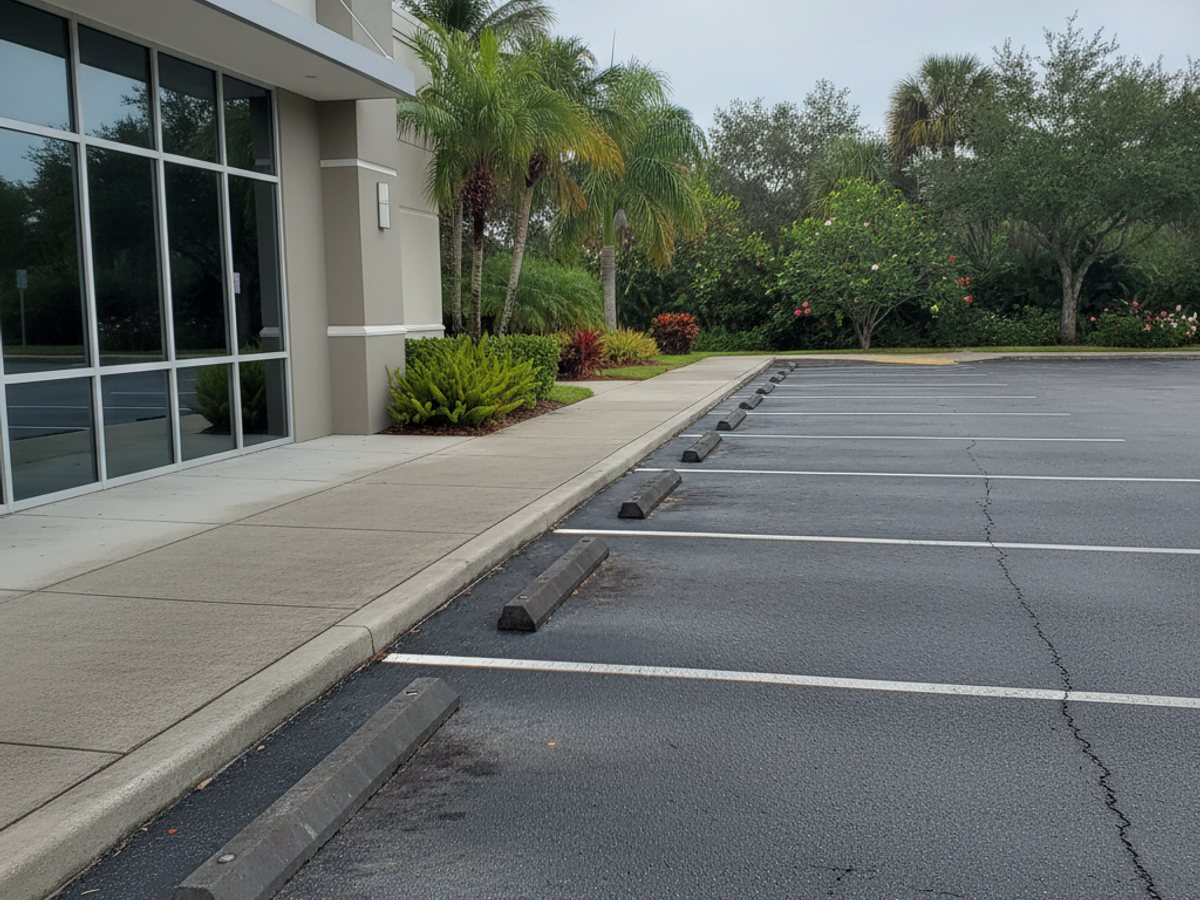
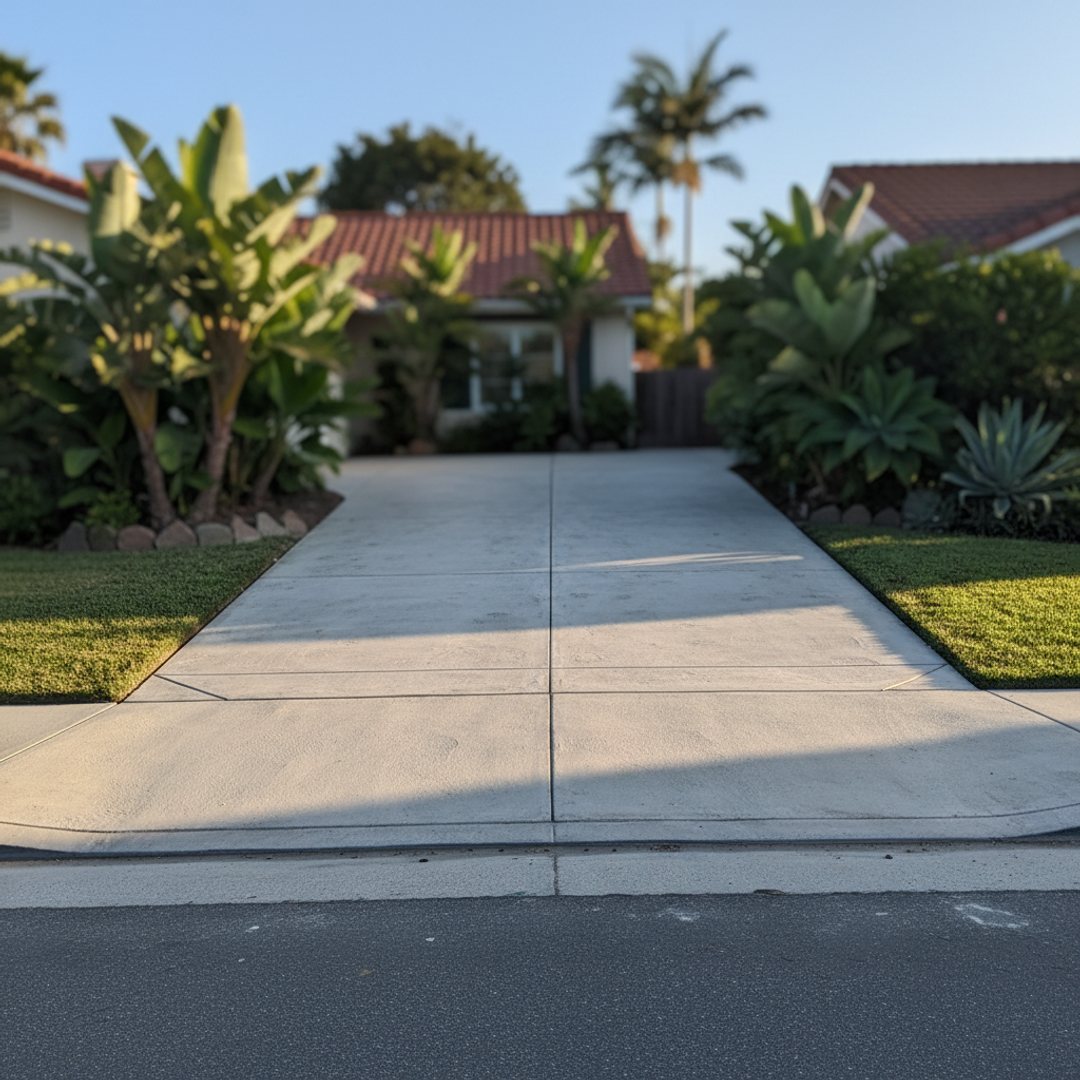
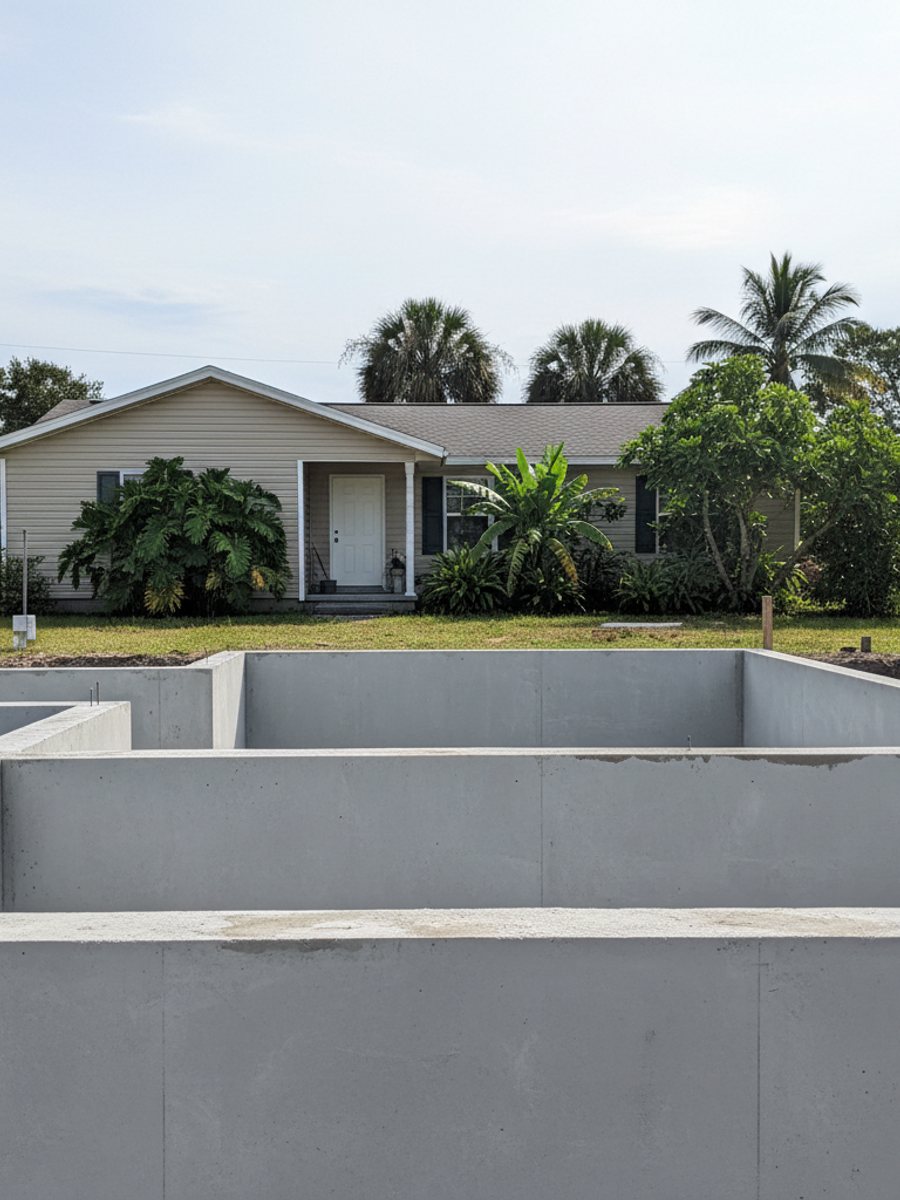
Every job below is one we do ourselves across Bossier City.
We pour driveways with a compacted base, rebar for vehicle load, and control joints cut the same day so the slab cracks where we plan for it, not across the middle. Standard mix runs around 4 inches thick for a car, thicker if you're parking a dually or a boat trailer on it. Give it about a week before you drive on it, even though you can walk on it in a day or two.
Patios get a lighter mix than a driveway since they're not carrying vehicle weight, but we still lay wire mesh and pitch the slab a quarter inch per foot so water runs off instead of pooling. We can broom finish it for grip near a pool or trowel it smoother for a covered area. Sealer keeps it from staining under a grill or a planter.
Stamped concrete gets colored while it's still wet, then textured with mats to look like flagstone, slate, or running bond brick before it sets up. It costs more than a plain broom finish but a lot less than actual pavers or stone. We reseal it every couple of years to keep the color from fading in direct sun.
Cracked slabs, sunken sections by the garage, and pitted or spalling patios are the most common calls we get. Small cracks get routed and filled, but a slab that's sunk because the base washed out usually needs to come up and get repoured on a proper base. We don't skim-coat over a slab that's structurally moving, it'll just crack through again.
We pour slabs for sheds, garages, workshops, and pole barns, sized and reinforced for whatever's going on top of them. A riding mower shed calls for a lot less slab than a two-post lift in a home garage, and we spec the thickness and rebar accordingly. We can also set anchor bolts or J-bolts in the wet concrete if you're bolting down a structure.
Walkways get formed and poured to slope water away from the house, with expansion joints where the walk meets your driveway or porch slab so the two sections can move independently. We keep the finish broomed for traction, especially anywhere it's shaded and holds moisture.
Steps and porch slabs take a beating from foot traffic and weather, so we form them with extra rebar at the nose of each step where chipping usually starts. We match the finish to your existing porch or driveway so a repair or addition doesn't stick out.
A garage floor gets poured thicker than a patio and finished smoother, usually a steel-troweled or light broom finish depending on whether you want it for parking or a workshop. We can add a moisture vapor barrier under the slab before the pour if the garage sits low or floods during heavy rain.
Foundation slabs that have settled or cracked from soil movement sometimes need piering or mudjacking instead of a straight repour. We'll tell you honestly if a crack is cosmetic or a sign the slab's settling, and if it's the second one we'll point you toward the right fix instead of just patching it.
An overlay is a thin layer of polymer-modified concrete poured over an existing slab that's structurally sound but ugly, stained, or cosmetically cracked. It's a cheaper way to get a stamped or stained look without tearing out and repouring. It won't fix a slab that's actually broken or settling, that needs a real repair first.
Four steps, and no surprises in any of them.
You tell us what you want doing, we look at what is actually there, and we ask the awkward questions early.
In writing, itemised, free. If something might add cost later we flag it now rather than at the end.
Same crew throughout. We cover your floors, keep the dust down and tidy up before we leave each day.
You point out anything you are not happy with and we fix it before the invoice, not after.
A few examples of driveways, patios and slabs we've poured.
Concrete work is done throughout these communities in northwest Louisiana.
Questions that come up once a concrete project is underway.
Describe the problem and we will tell you what it probably is. No obligation.